Tag: New Jersey

  • Governor Sherrill Unveils Bold Budget Plan for Fiscal Year 2027New Jersey Legislature Budget Address

    March 10, 2026 – Governor Sherrill delivered comprehensive remarks today outlining the state’s proposed budget for the upcoming fiscal year, emphasizing investments in education, infrastructure, and healthcare while maintaining fiscal responsibility.

    Speaking from the State Capitol, Governor Sherrill presented a $45.2 billion budget proposal that reflects a 3.8% increase from the previous year. The Governor stressed that this budget represents “a balanced approach to meeting our state’s growing needs while ensuring long-term financial stability.”

    The largest portion of the budget increase will be directed toward education, with $2.1 billion in new funding allocated for K-12 schools and higher education institutions. “Our children deserve world-class educational opportunities,” Sherrill stated, announcing plans to increase teacher salaries by 5% and expand access to early childhood education programs.

    Governor Sherrill announced a $1.5 billion infrastructure package aimed at repairing aging roads, bridges, and public transit systems. The plan includes funding for sustainable transportation projects and electric vehicle charging stations across the state.

    The budget allocates $800 million to expand healthcare access, including mental health services and substance abuse treatment programs. “Healthcare is a fundamental right, and this budget reflects our commitment to ensuring all residents have access to quality care,” the Governor emphasized.

    Despite the increased spending, Governor Sherrill highlighted several cost-saving measures, including government efficiency initiatives expected to save $300 million annually. The budget maintains the state’s rainy day fund at 8% of total expenditures, exceeding recommended levels.

    Next Steps

    The proposed budget will now move to the state legislature for review and approval. Legislative leaders from both parties have indicated they will begin hearings next week, with a final vote expected by May 1st.

    “This budget represents our vision for a stronger, more prosperous state,” Governor Sherrill concluded.”

    Governor Rebecca Michelle “Mikie” Sherrill is the 57th Governor of New Jersey. Sworn in on January 20, 2026, she is the first Democratic woman to hold the office and only the second woman in the state’s history to serve as governor.

  • Garden State or Frozen Tundra? NJ Digs Out from a thirty-year gap of a statewide snow emergency

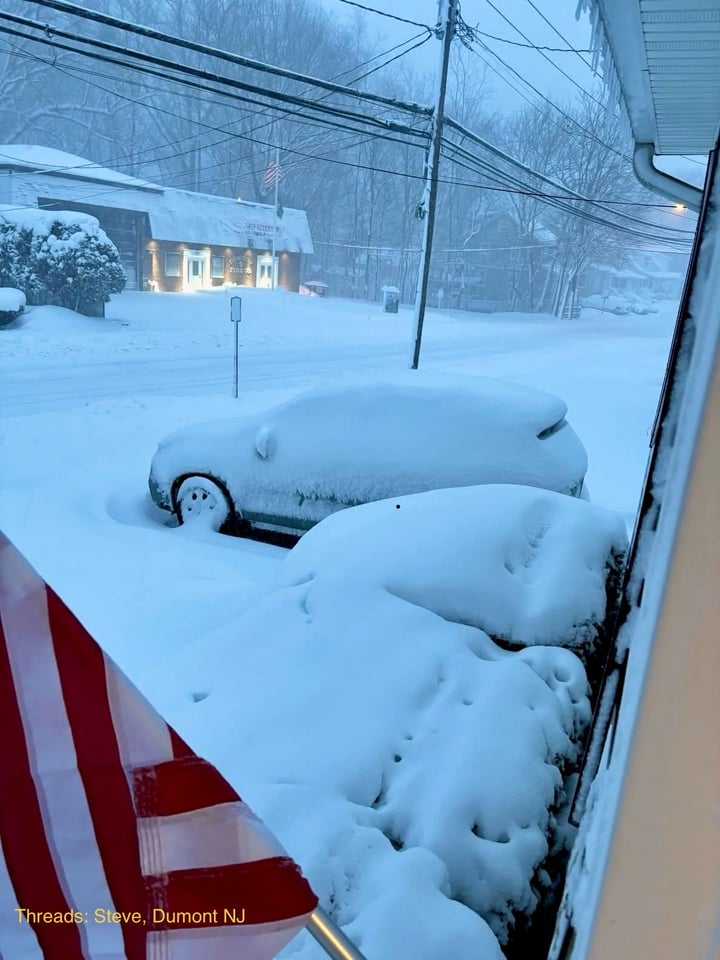
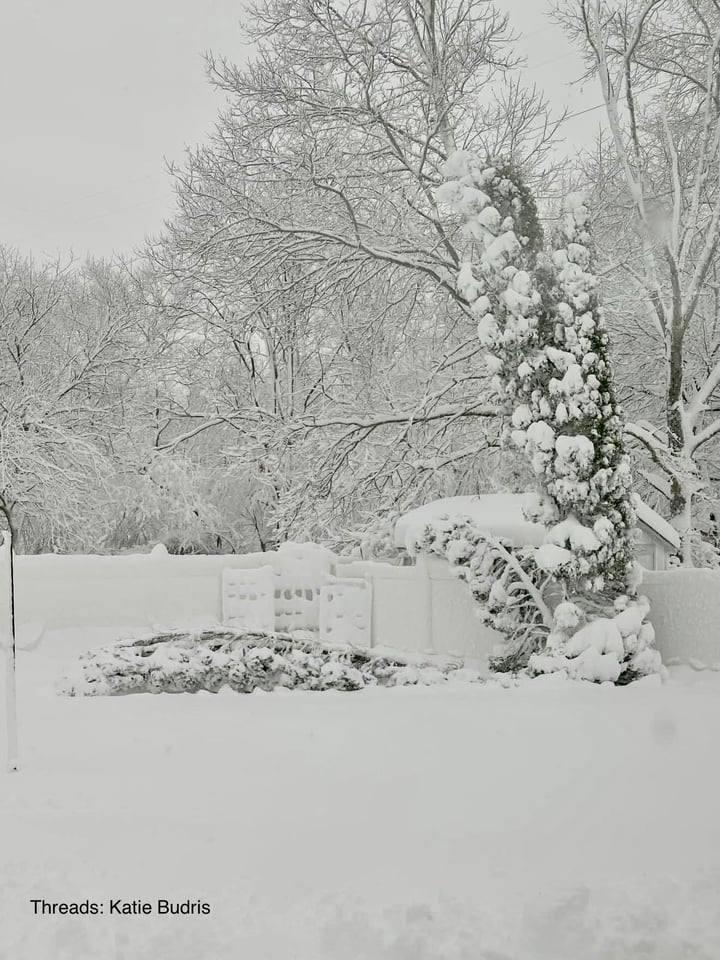
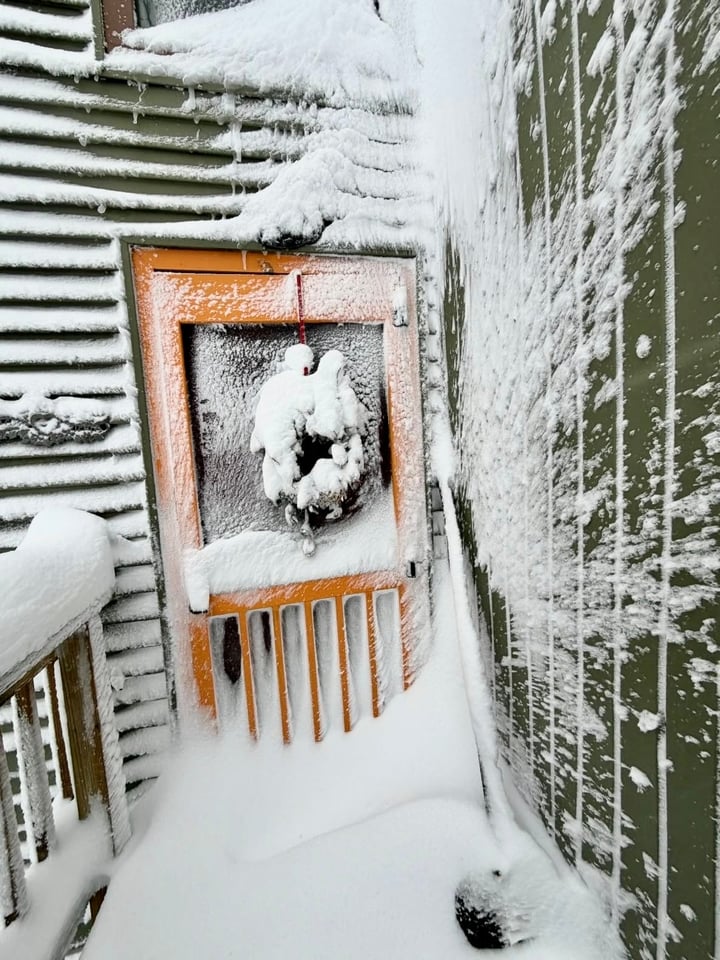
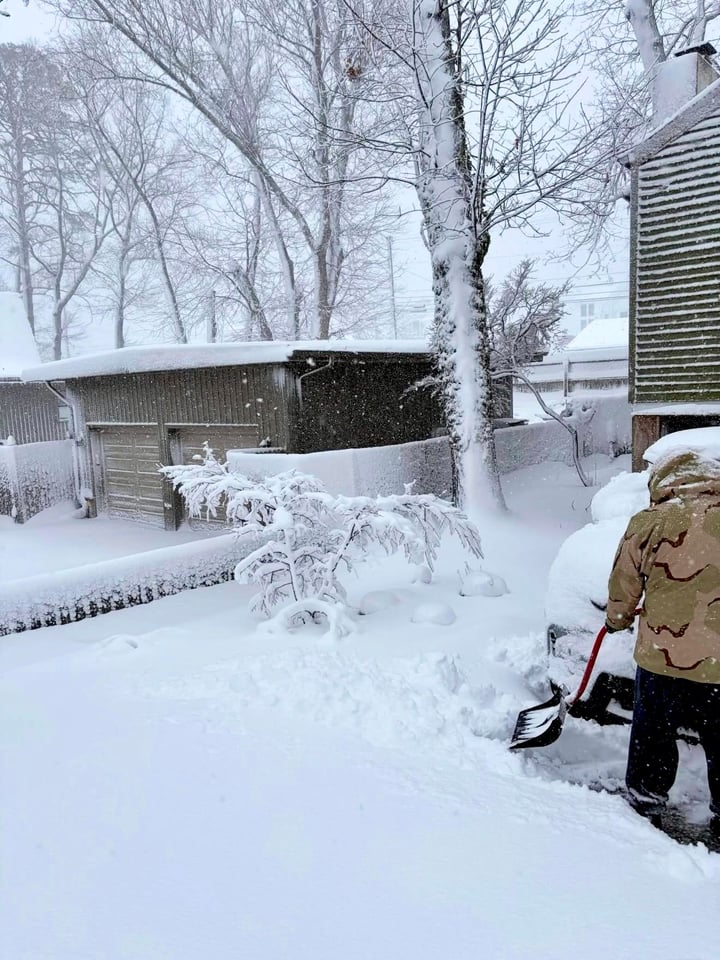
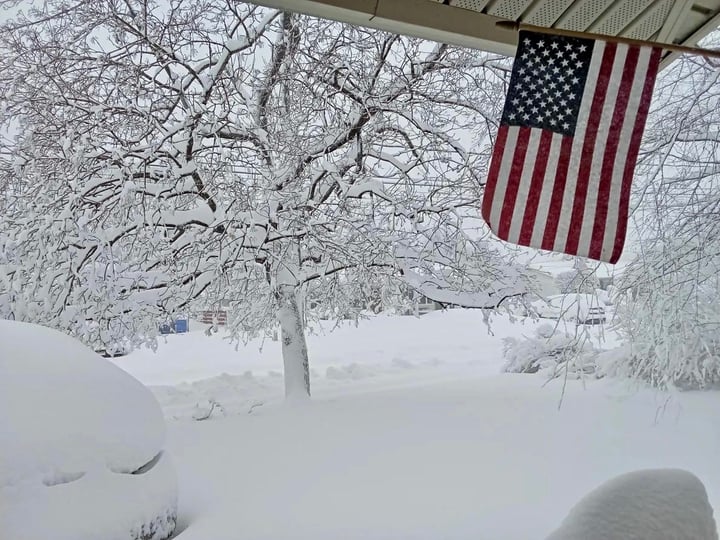
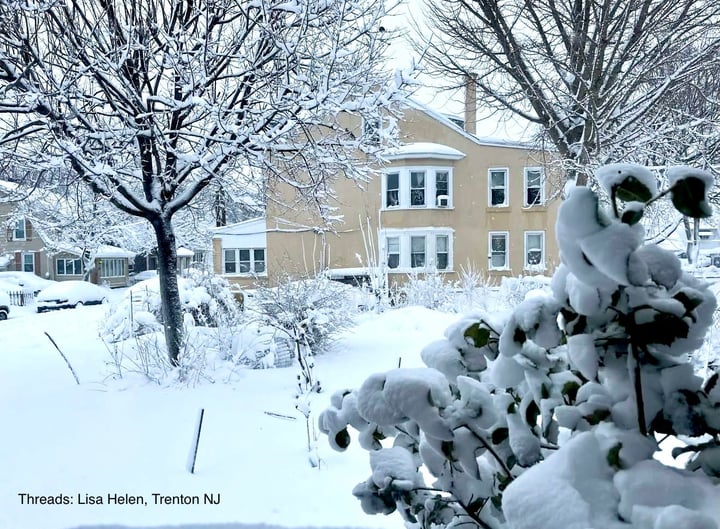
    The last statewide state of emergency occurred in 1996. New Jersey has not seen snowfall totals like the February 2026 blizzard since 2021.

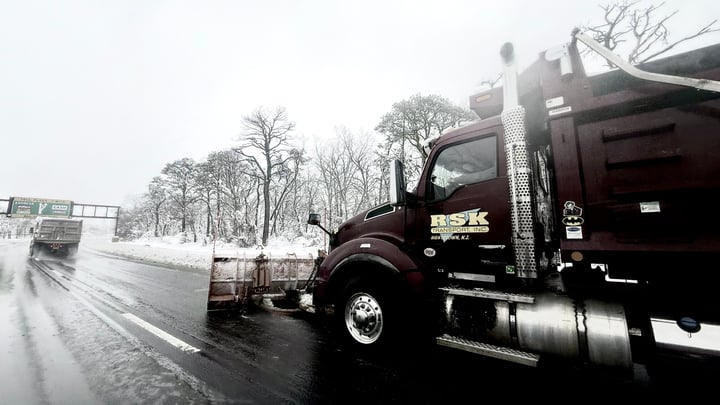
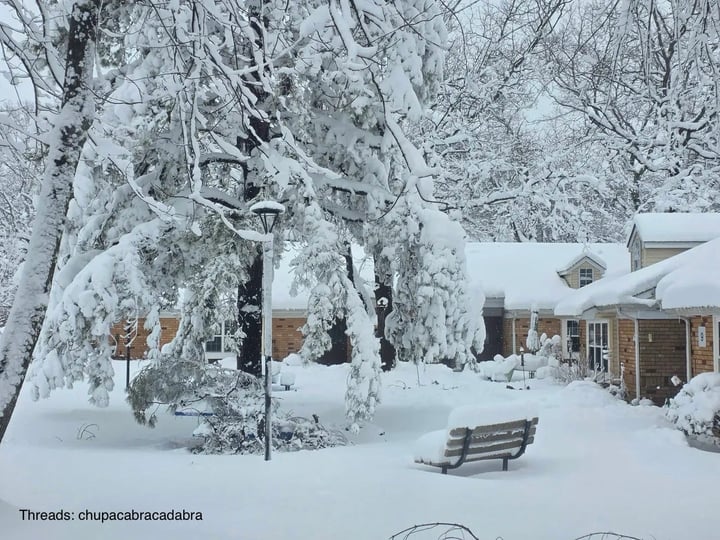
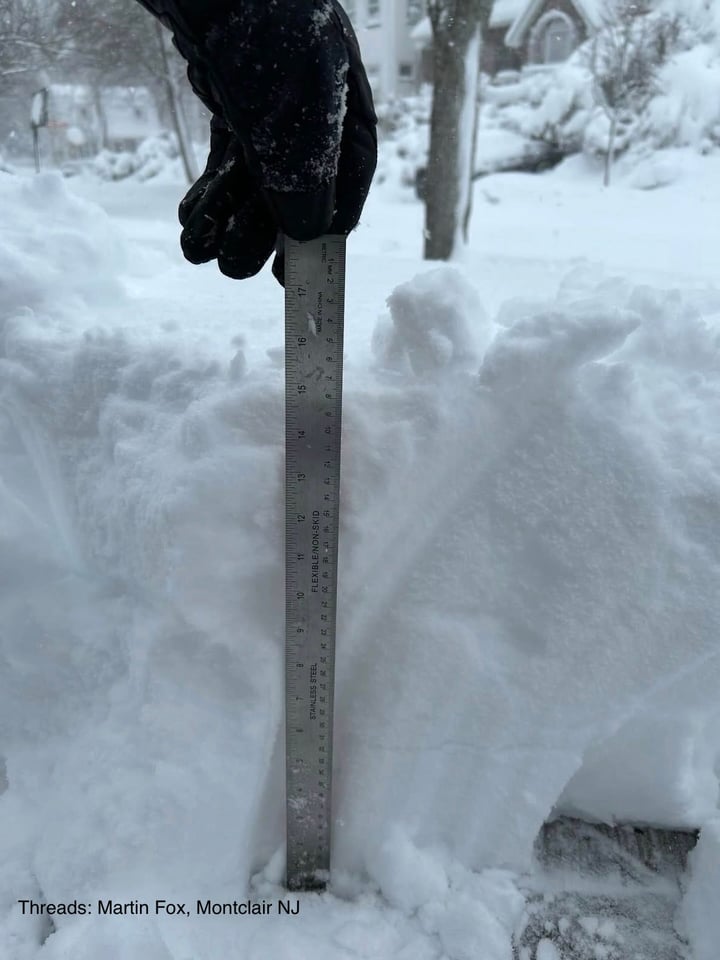
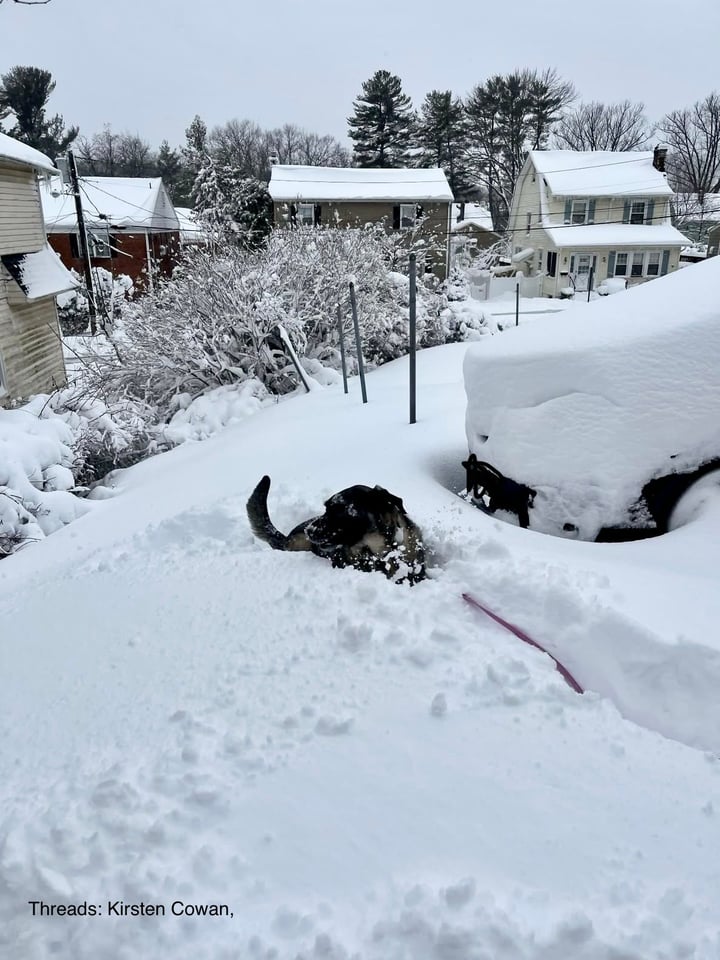
    The Garden State saw record snowfall over the weekend and into the early week beginning February 22nd, 2026, through Monday. Executive Order No. 45 was issued on January 8, 1996, for severe weather, terminating on January 13, 1996. Thirty years ago, the entire state was placed under a state of emergency due to blizzard warnings. Three decades later, the state is under extreme conditions with a majority of the state receiving at least fifteen inches of snow. Record-breaking numbers with some areas receiving over thirty inches. In 1996, the turnpike closed for the first time in its history. This time in 2026, crews worked around the clock to ensure everyone’s safety. With a ban on all travel except for essential workers, many used roadways to reach their jobs. Below is a photo of the Garden State Parkway near mile marker 83, with a crew clearing snow buildup and salting the roadways.

  • When The Government Neglects Lakewood: Food Not Bombs Feeds The Community

    Meet Food Not Bombs, a grassroots organization helping communities not only in New Jersey but across the country. Explore the Jersey Shore Network.
    A woman with long reddish hair wearing a black face mask, standing in front of a dimly lit street scene, with people and trash cans in the background. The image promotes a story about 'Food Not Bombs' in New Jersey.

    About 1 in 7 Americans live in households that have difficulty affording food, with nearly 18 million skipping meals. [source] FRAC is the main source for hunger statistics by race, indicating that food insecurity among Black (24.4%) and Hispanic (20.2%) households stays notably higher than the national average.

    “One Big Beautiful Bill Act”

    Public Law 119-21, signed on July 4, 2025, details a $187 billion reduction in SNAP and Medicaid funding. The Center on Budget and Policy Priorities (CBPP) and Feeding America Action examined the potential impacts, particularly emphasizing the expanded work requirements for adults up to age 64 and the removal of eligibility for certain non-citizens, including refugees and asylees.

    In New Jersey, the number of individuals getting SNAP benefits (commonly known as “NJ SNAP”) has varied considerably over the past year because of policy updates and economic changes.

    According to the most recent data from the New Jersey Department of Human Services (December 2025), roughly 800,000 people receive SNAP benefits in the state. [source]

    On September 20, 2025, the USDA stated it would end future Household Food Security Reports, citing them as “redundant” and “politicized.” This decision has sparked significant controversy among food security advocates.

    Who is Food Not Bombs

    Food Not Bombs (FNB) is a decentralized, international volunteer network that salvages food destined for disposal and distributes it as free vegan and vegetarian meals. Instead of functioning as a conventional charity, the organization sees itself as a form of nonviolent direct action, protesting war, poverty, and the “military-industrial complex”.

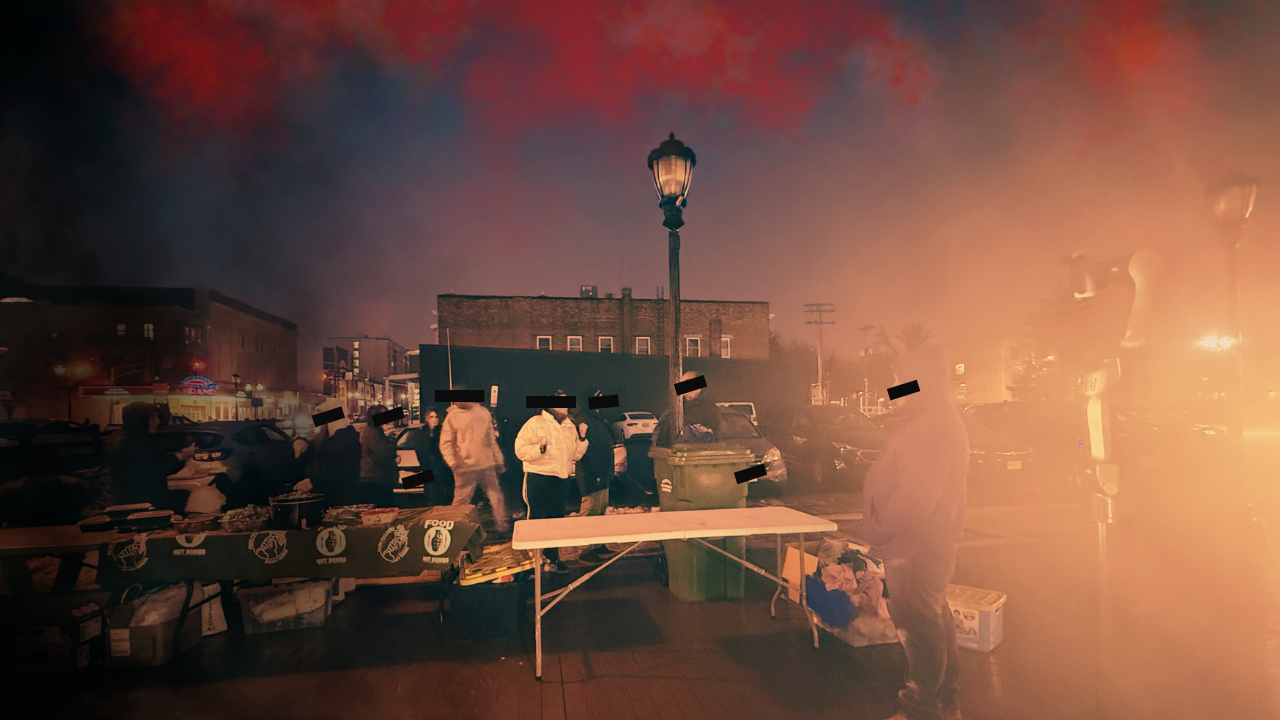
    A nighttime scene of a community gathering at a street market, with people milling around tables filled with food and supplies. Some individuals are standing near a green trash bin and a lamppost, while others are engaged in conversation. The atmosphere appears misty or smoky, creating a subdued ambiance.

    Values:

    Always Vegan or Vegetarian

    Autonomous and Decentralized

    Solidarity, Not Charity

    The group was founded in 1980 in Cambridge, Massachusetts, by activists opposed to nuclear energy. Their first protest occurred outside the Federal Reserve Bank in 1981, protesting nuclear sector investments. Today, Food Not Bombs has over 1,000 chapters across 60 countries. In addition to providing meals, chapters often support protests, strikes, and occupations logistically. They were among the first to deliver food during disasters like Hurricane Katrina and the 2004 Asian Tsunami.

    Close-up view of a wrinkled green fabric with various bags and items blurred in the background, illuminated with warm lighting.

    In New Jersey, several active or historically significant chapters share food in public spaces. Known locations include:

    New Brunswick: Historically, it has served on Tuesday mornings at the corner of French St. and Jersey Ave., often offering coffee and bread to workers and unhoused individuals.

    Trenton: Has shared meals at locations like the Imani Center on Sundays.

    Asbury Park (Jersey Shore): Operates as a local collective serving the shore community.

    Camden, Jersey City, and Hoboken have also hosted independent FNB collectives.

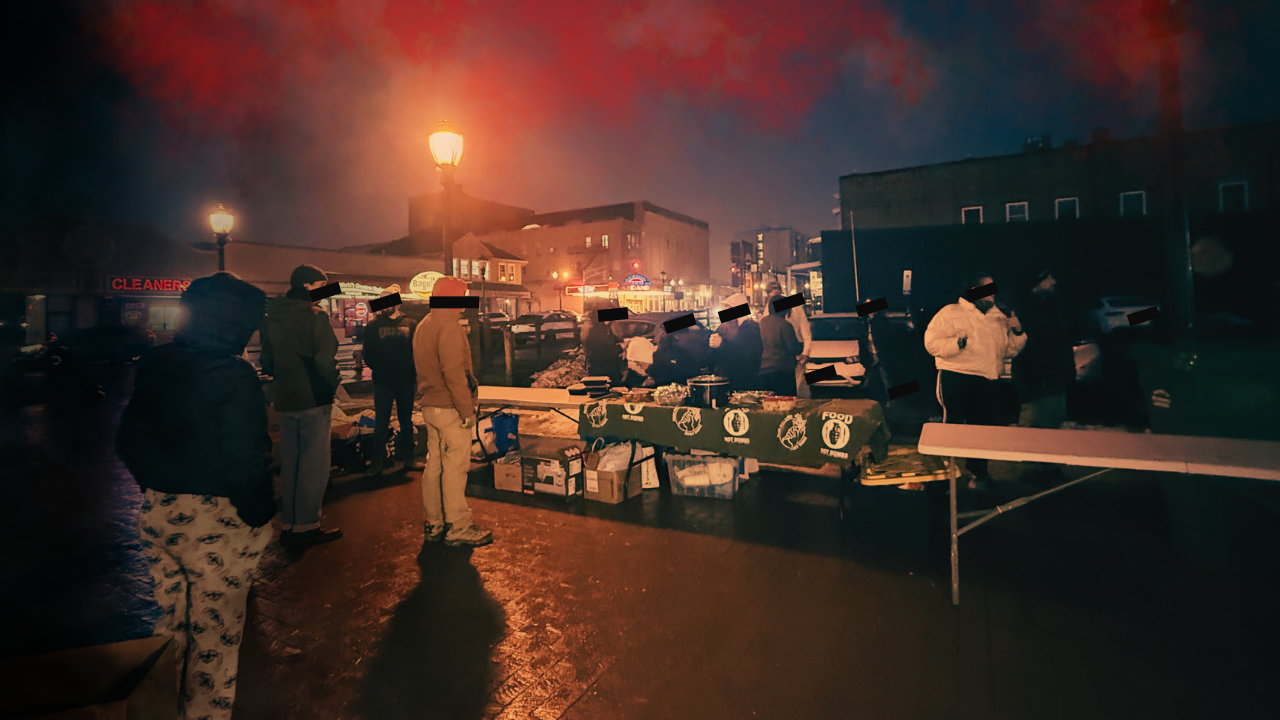
    People gathered around a food distribution table at night, with a city street illuminated by lamps in the background.

    Food Not Bombs plays a vital role in supporting communities that have been neglected by their government.

    Explore the action on February 20th, 2026, in Lakewood, NJ.

  • Weather Update: New Jersey braces for a February blizzard. State of Emergency Issued

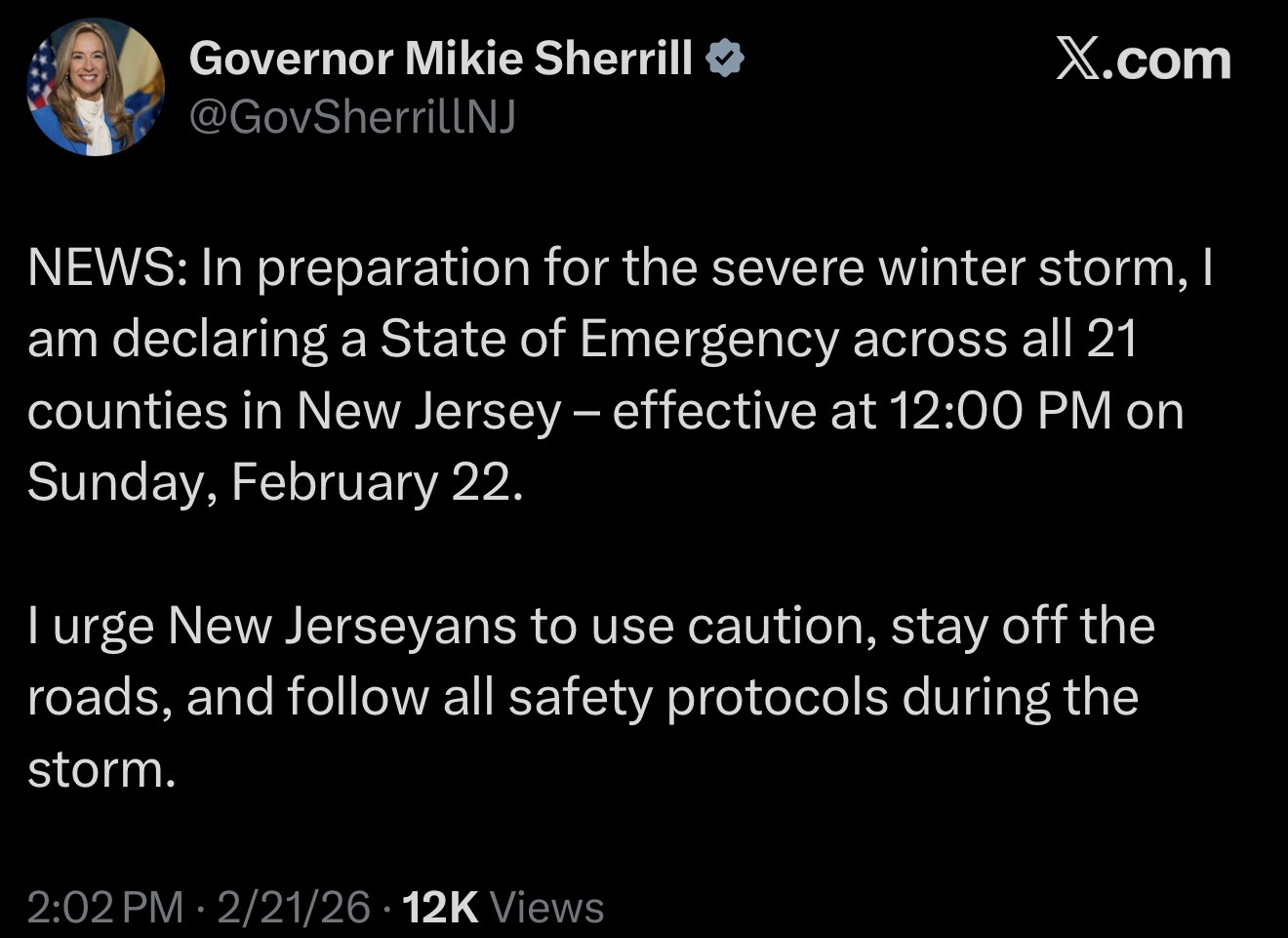
    New Jersey braces for an impactful storm affecting all 21 counties, a state of emergency is in effect starting February 22nd at 12pm

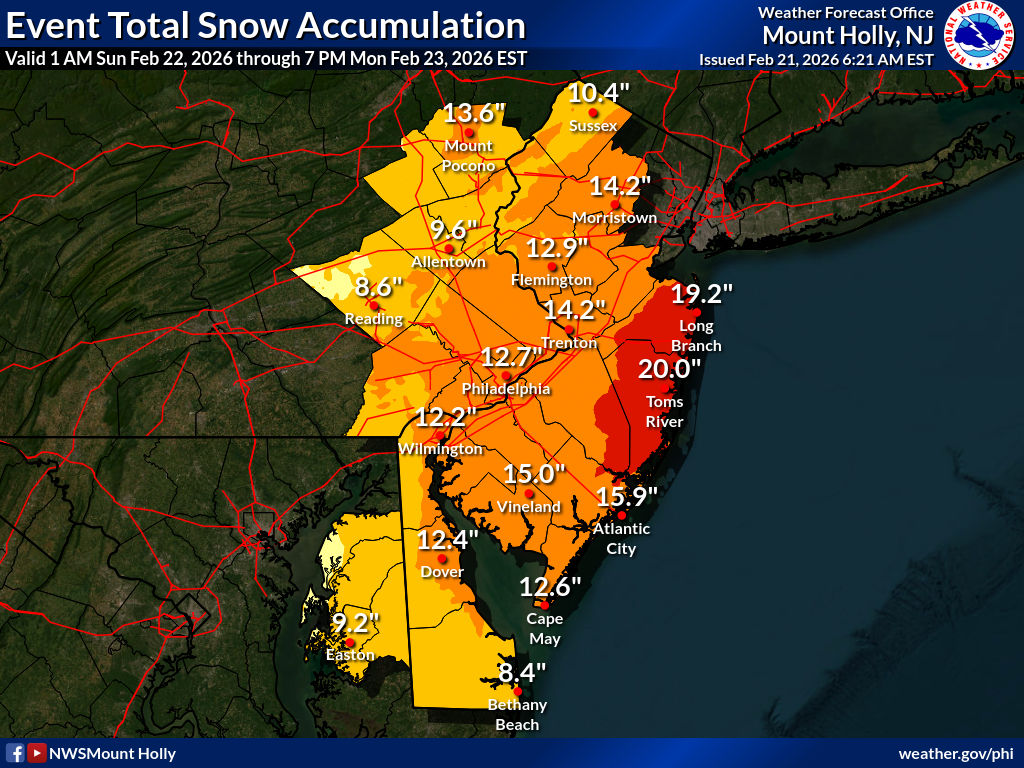
    New Jersey is bracing for a historic weather event beginning on February 22nd, 2026, with blizzard conditions along the shore and significant snowfall throughout the rest of the state. Safety is essential, and Gov. Sherrill has issued a state of emergency effective on February 22nd at 12 pm and set to expire when conditions are safe and improve. The governor met with five key members of the state in Mapleshade, NJ, today, issuing remarks on the Office of Emergency Management, NJ Transit, and updates on state infrastructure.

    Governor Sherrill State of Emergency Press Release:

    Key updates:

    URGENT - WINTER WEATHER MESSAGE
    National Weather Service Mount Holly NJ
    154 PM EST Sat Feb 21 2026
    
    BLIZZARD WARNING IN EFFECT FROM 10 AM SUNDAY TO 6 PM EST MONDAY (February 23rd 2026)
    
    * WHAT...Blizzard conditions expected. Total snow accumulations 
      between 16 and 20 inches. Winds gusting as high as 45 mph.
    
    * WHEN...From 10 AM Sunday to 6 PM EST Monday.
    
    * IMPACTS...Travel could be very difficult to impossible. Areas of 
      blowing snow could significantly reduce visibility. The hazardous 
      conditions could impact the Monday morning and evening commutes. 
      Gusty winds could bring down tree branches.
    
    PRECAUTIONARY/PREPAREDNESS ACTIONS...
    
    Travel should be restricted to emergencies only. If you must travel, 
    have a winter survival kit with you. If you get stranded, stay with 
    your vehicle. The latest road conditions for the state you are 
    calling from can be obtained by calling 5 1 1.

    The national weather service has issued severe warnings across the state due to the threat of life from the storm. All people are encouraged to shelter in place.

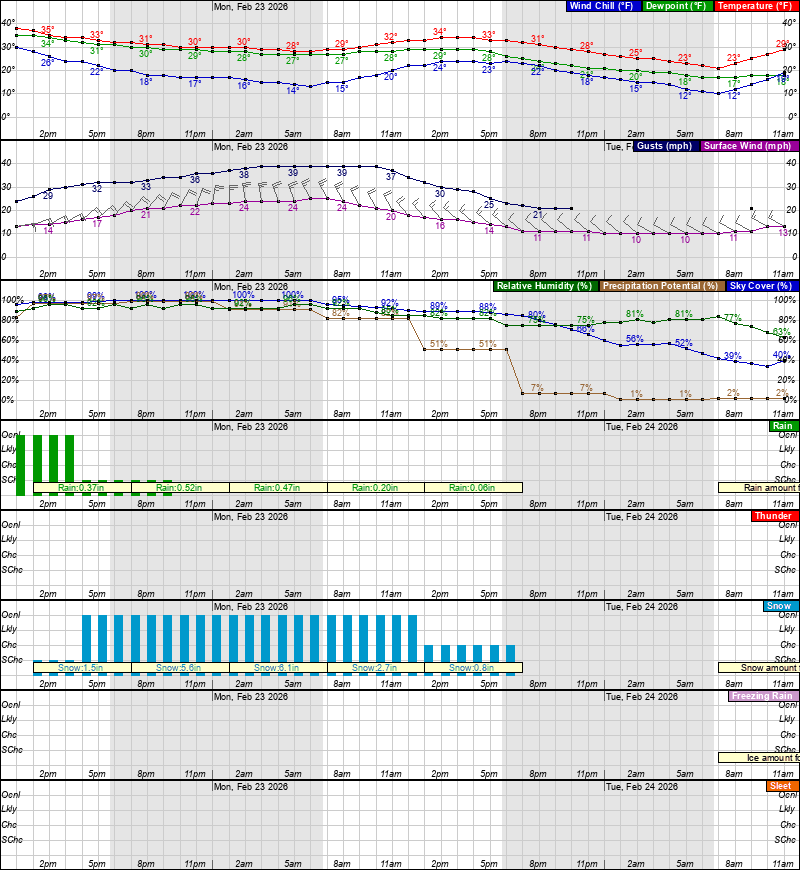
    New Jersey Plotter:

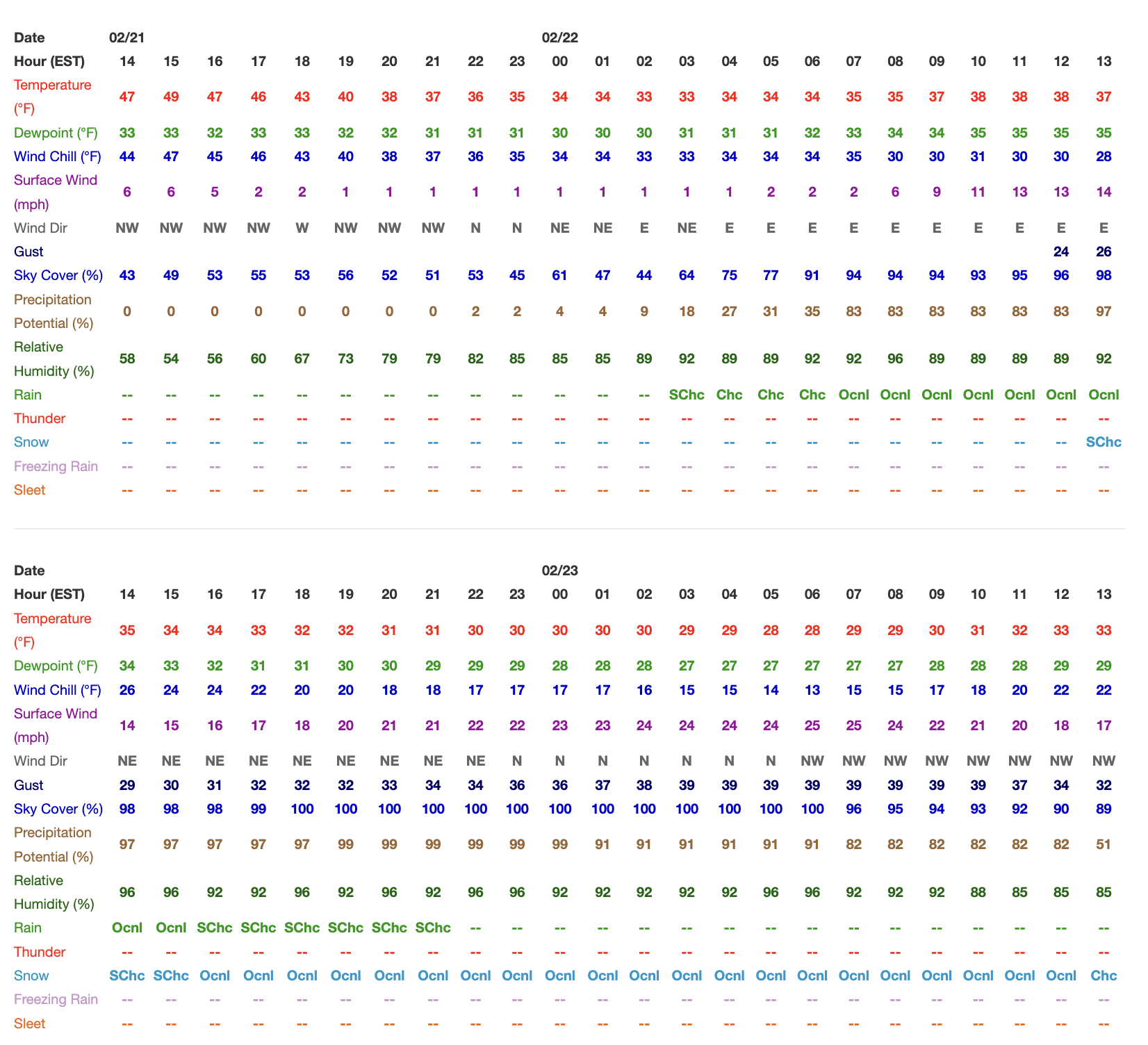
    New Jersey Tabular Forecast:

    Documenting the storm safely:

  • From Fear to Action: South Jersey Community Rallies After ICE Raids Target Local Neighborhood

    ICE targets a Lindenwold bus stop, sparking fear and protests. Gov. officials and neighbors rally for NJ students after a chaotic morning.

    Thursday, the eve of the weekend. A typical day for students heading to school. There was no delayed opening, but for many, the school day was disrupted and chaotic, hindering learning. Children screaming, parents alerting their neighbors. A fear-stricken community in Lindenwold, NJ, was targeted by ICE Agents while parents were at the bus stop with their kids.

    On February 12th, 2026, ICE agents targeted the bus stop at Woodland Village Apartments for 4th and 5th-graders. The bus driver circulates around the complex, rescuing kids from the dangers posed by Trump’s masked secret police.

    On Friday, Camden County Commissioner Director Louis Cappelli Jr. issued a statement regarding the incident.

    “The absolute chaos sowed by this ICE operation in Lindenwold yesterday morning was appalling,” Cappelli Jr. wrote. “At the moment we are short on facts and details about the intentions of ICE and do know at some point they called 911 for support. That said, the impact and fear that struck the children of our county was painful to watch and I can’t imagine the anxiety and trauma that came from this incident. We have a dialogue with our Congressman who is helping us get answers to what happened yesterday. I also want to applaud the work of the Superintendent of the Lindenwold Schools whose staff jumped into action to identify the whereabouts of the students and ensure their safety. Furthermore, as a community, segments of our population are being terrorized and scared to leave their homes. This is no way for any of us to live.”

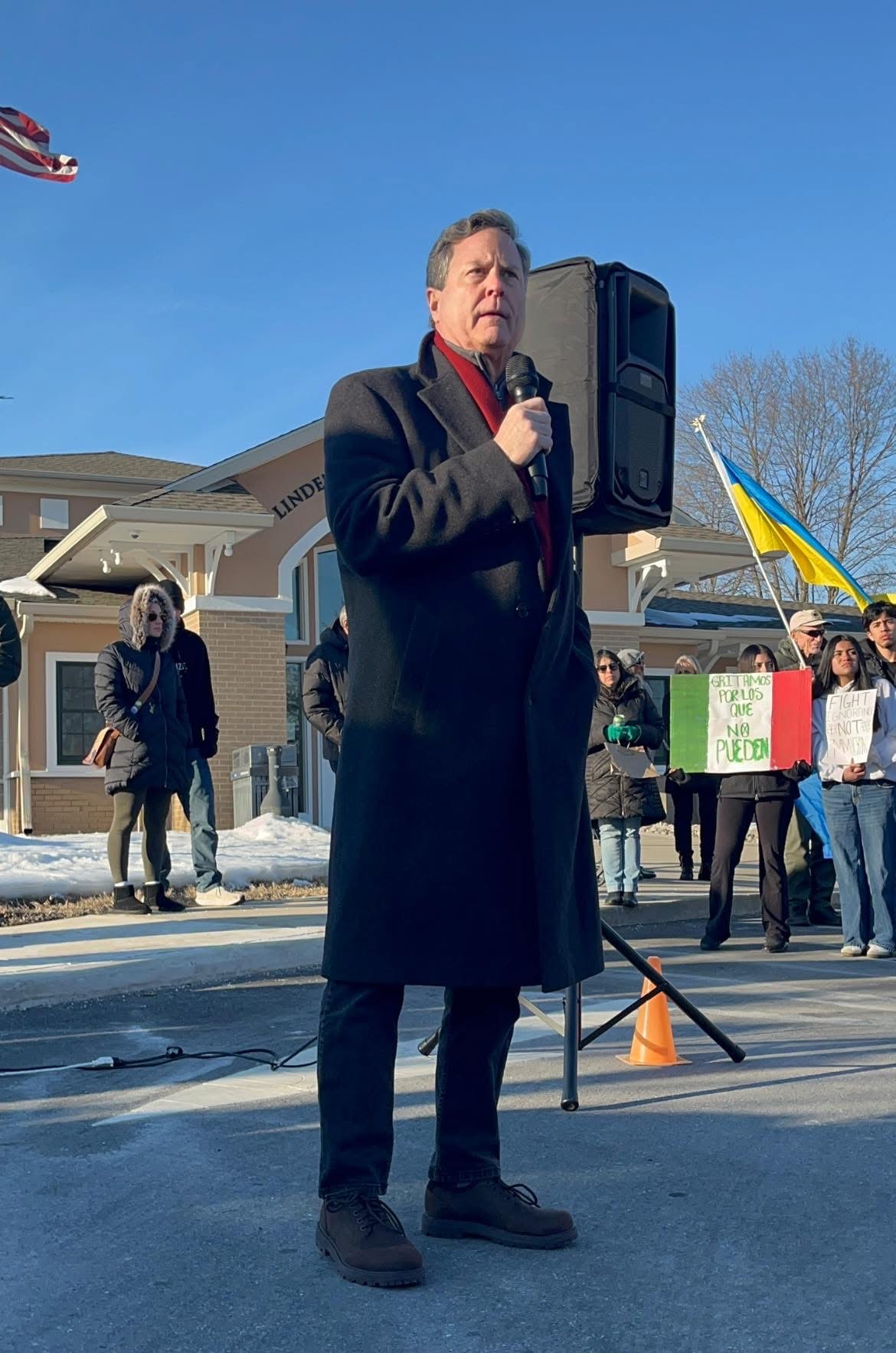
    As you can see, students are running, and community members are shouting “ICE, ICE” to alert neighbors to the dangers outside their doors. For many in this community, they fear that when leaving their homes, they may not come back to their families. With nearly 30% of the community in Lindenwold, NJ, being Latino or Hispanic, a large portion of the community is actively being targeted and labelled as “Illegal”.

    The following day, Cooper River Indivisible organized a protest that drew hundreds of people from the broader community and gained the attention of elected officials like Donald Norcross.

    Sharon Schultz, a left-leaning progressive from South Jersey, attended the protest. Sharon grew up primarily in Detroit and emigrated to New Jersey when she was fourteen. She had attended a protest with her mother for pro-life causes in high school, but this was her first time at an anti-ICE action.

    When Sharon was asked how the atmosphere was at the protest, she shared,

    “Super positive! Lindenwold police were on site, supportive in general. People were energized, lots of Bad Bunny. People driving by were very engaged, lots of positive, but also a good amount of negative, thumbs down, middle fingers and such.”

    Like Sharon, many others are looking to get involved, and Sharon learned about the protest through an Instagram post and confirmed its legitimacy with Cooper River Indivisible. She was looking for ways to get involved and stand up against Trump’s policies, but kept hearing about events after they had happened. She caught this one in time and showed up to support her community.

    Many members of the community cheered for justice, and the main driver of organizing was the strength of Cooper River Indivisible’s individuals.

    At the protest, organizers from Cooper River Indivisible interviewed organizer Tatiana, who had these powerful statements.

  • The 45-Day Countdown: Governor Sherrill Buys Time to Avert NJ Healthcare Collapse

    NJ faces a healthcare cliff: Gov. Sherrill extends emergency rules for APNs & PAs as 9.5M residents face a 45-day countdown to a care disaster.

    We learned in 2020 during the COVID-19 pandemic that healthcare is essential. Millions of people were without work, and countless people died from the disease, which rapidly spread in retirement homes and incarcerated communities. Hospitals were erecting tents in their parking lots to care for patients, and local emergency response teams were burdened around the clock with emergency medical transportation. A lot changed during the pandemic for people seeking care, and telehealth saw a surge never before seen. With that influx of care needed someone had to do it. Advanced Practice Nurses and Physician Assistants played a key role in enabling millions of appointments. Even then, the system is still inundated, and we need more care.

    Groups echo healthcare reform as being essential, but where does the healthcare come from if there is not enough care to go around? Per-person spending jumped to $11,319 by 2023, driven by higher prices and increased utilization. Numbers are slowly coming out showing an even more substantial rise in the cost of care. Between 2020 and 2025, New Jersey prioritized expanding its physician workforce, with over 1,500 medical residents finishing their training in 2024, and around 471 (30%) of them choosing to practice in-state. The number of active Advanced Practice Nurses (APNs) in New Jersey increased by roughly 35%, rising from 12,107 in 2020-2021 to 16,317 in 2023-2024, representing a significant influx of over 4,000 new or newly active APN licenses during that period. Individual state statistics for phycsisan assistants are not available for New Jersey during this period.

    New Jersey’s population has rebounded, reversing post-2020 declines, reaching over 9.5 million by early 2025. From April 2020 to July 2025, the state grew by about 2.8%, largely driven by international immigration despite domestic out-migration, making it one of the fastest-growing states.

    With the increasing population, healthcare needs have grown. During the height of the COVID-19 pandemic, Governor Phil Murphy issued Executive Order No. 112 on April 1, 2020, temporarily waiving the requirement for Advanced Practice Nurses (APNs) and Physician Assistants (PAs) to work under a supervising or collaborating doctor. Just before leaving office, Governor Murphy signed Executive Order No. 415 on January 16, 2026, officially ending the COVID-19 State of Emergency.

    Now, as the crisis looms over care access, what happens? On February 13th, 2026, Governor Mikie Sherrill signed Executive Order No. 13, temporarily extending the COVID-19 State of Emergency. This will allow APNs and PAs to catch up with the new regulations about to take hold.

    “With today’s executive order, we are providing more time for advanced practice nurses and physician assistants to adjust to this new regulatory landscape, delivering on our commitment to make it easier for small businesses to thrive in New Jersey,” said Governor Sherrill. “Many health care professionals across New Jersey are bracing for impact as years-long state of emergency provisions come to an abrupt end. These sudden regulatory changes will have wide-ranging impacts on health care professionals and patients alike – potentially even forcing clinics and small, independent practices to close their doors, making it more difficult for New Jerseyans to access critical health care services.”

    There are over 16,000 APNs in NJ, with 84% in primary care and 7% in mental health, making them essential for covering the 1.86 million residents on Medicaid. Not only do those on Medicaid see an APN, but many others with employer-sponsored or private-sector health insurance also use APN care for affordability and convenience.

    With so many at risk of a catastrophic healthcare disaster in 45 days, will the government take action to codify care?

  • Chaos in Roxbury: Gunfire, Protests, and the Growing Battle Over New Jersey’s Newest ICE Hub

    Following a chaotic morning shooting on Kings Road, Roxbury residents are demanding answers. Between a controversial 470,000-square-foot warehouse proposal and increased ICE activity across NJ

    “I was born here, but I’m still nervous. It does not go by me every day to think that I could be stopped,” Roxbury Township resident Sharon Medina said at Tuesday night’s meeting.

    ICE has been targeting New Jersey since July of 2025, and residents are fed up. On February 10th, 2026, around 7 am, a shooting occurred in Roxbury, NJ, on Kings Road across from the historic train station.

    “I saw a video earlier today where the gentleman was not in a car and there was a gun drawn facing him in the street in our area,” resident Diana May said

    The Department of Homeland Security (DHS) says an ICE officer shot out the tires of a vehicle that rammed a law enforcement vehicle during an immigration arrest on Tuesday in Roxbury. According to a DHS spokesperson, federal agents were conducting a planned operation to take Jesus Fabian Lopez-Banegas into custody.

    “In an attempt to evade arrest, Lopez-Banegas rammed into a law enforcement vehicle and weaponized his vehicle in an attempt to run an officer over,” the DHS statement said.

    “We recognize that matters of this nature raise concerns within our communities,” Davenport’s statement continued. “Public safety remains our top priority. As Acting Attorney General for the State of New Jersey, it is my duty to protect the safety of residents of this state and uphold the Constitution. I will do everything in my power to fulfill this responsibility.”

    ICE has been spotted in Hoptacong, NJ, multiple times over the past few days. Video evidence shows ICE performing vehicle stops in neighborhoods, stoking fear amongst residents.

    On February 10th, around 6pm, ICE vehicles were spotted being transported westbound on Route 80. DHS has not disclosed the vehicles’ destinations, and the department has refused to comment on the activity.

    The protests in Roxbury, New Jersey, were triggered by reports that the federal government plans to convert a massive local warehouse into an Immigration and Customs Enforcement (ICE) processing facility.

    The controversy began in late December 2025 and continued into January 2026 after The Washington Post reported leaked Department of Homeland Security (DHS) documents. These documents identify a 470,000-square-foot warehouse on Route 46 as a possible site to hold up to 1,500 detainees. Many protesters contend that warehouses are meant for “packages, not people,” pointing out issues such as inadequate ventilation, lack of natural light, and poor sanitation. Local residents and the all-Republican town council are worried about the impact on infrastructure, including water supplies, sewers, and emergency services like police and fire. On January 13, 2026, Roxbury’s town council unanimously adopted a resolution firmly opposing the facility.

    The Legal Battle

    Although New Jersey enacted a law in 2021 that prevents towns and counties from contracting with ICE, private companies such as Dalfen Industrial, owner of the Roxbury warehouse, can still collaborate with the federal government. Protesters are now urging the town to utilize zoning ordinances and land-use laws to block the facility, contending that, despite the federal government’s “supremacy,” private corporations are still required to adhere to local building and safety regulations.

    Getting Involved

    Protests will continue, and on Presidents Day 2026, a protest will take place at Ledgewood Commons in Ledgewood, NJ.

    The flyer distributed by the activist group No Ice Roxbury is as follows.